

Sociopath is a term used in psychology to describe a person with a distinct set of behavioral and personality traits that deviate significantly from societal norms and expectations.
This article aims to provide a comprehensive exploration of what it means to be a sociopath, including their characteristics, potential causes, diagnosis, and how they differ from related terms like psychopathy.
What is a Sociopath
A sociopath, also referred to as someone with Antisocial Personality Disorder (ASPD), exhibits a pervasive pattern of disregard for and violation of the rights of others.
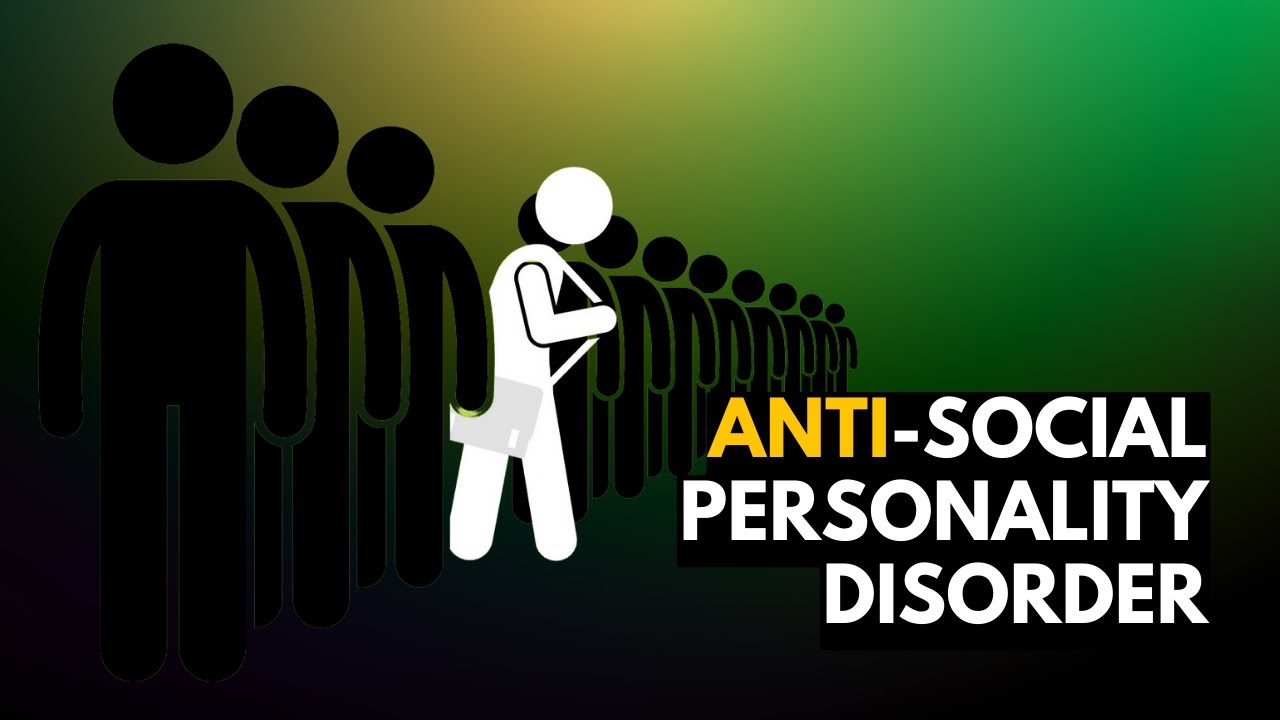
This disorder typically manifests in early adulthood and is characterized by a lack of empathy, deceitfulness, impulsivity, irritability, and disregard for social norms and rules.
Key Characteristics of Sociopathy
Individuals diagnosed with sociopathy often display the following traits:
Lack of Empathy: Difficulty understanding or experiencing empathy and remorse for the harm caused to others.
Superficial Charm: Ability to charm and manipulate others for personal gain without genuine emotional attachment.
Deceitfulness: Tendency to lie, manipulate, and deceive others for personal gain or to avoid consequences.
Impulsivity: Acting on whims and desires with little regard for the consequences of their actions.
Aggressiveness: Irritability, hostility, and aggression, especially when confronted or challenged.
Irresponsibility: Failure to maintain consistent work or financial obligations, disregard for commitments.
Lack of Remorse: Absence of guilt or remorse for actions that harm others, coupled with rationalization or justification of behavior.
Causes of Sociopathy
The exact causes of sociopathy are complex and multifaceted, often involving a combination of genetic, environmental, and neurobiological factors:
Genetic Factors: Some research suggests a genetic predisposition to antisocial behavior and personality traits.
Environmental Influences: Childhood experiences such as abuse, neglect, inconsistent parenting, or exposure to violence may contribute to the development of sociopathic traits.
Neurobiological Factors: Differences in brain structure and function, including abnormalities in areas related to empathy, impulse control, and emotional processing, may play a role.
Diagnosis of Sociopathy
Diagnosing sociopathy typically involves a comprehensive psychological assessment conducted by a qualified mental health professional. Key diagnostic criteria include:
Antisocial Behavior: Evidence of conduct disorder before age 15, including aggression towards people or animals, destruction of property, deceitfulness, or theft.
Personality Traits: Persistent patterns of behavior characterized by disregard for others’ rights, impulsivity, irresponsibility, and lack of remorse.
Age of Onset: Symptoms of antisocial behavior and personality traits must be present since at least age 18.
Exclusion of Other Disorders: Symptoms are not better explained by another mental disorder (e.g., schizophrenia) or attributable to substance abuse or medical conditions.
How Sociopathy Differs from Psychopathy
While sociopathy and psychopathy share similarities, they are distinct constructs in psychology:
Emotional Response: Sociopaths may form some emotional attachments and have sporadic relationships, whereas psychopaths typically lack genuine emotional attachment and empathy entirely.
Behavioral Manifestations: Sociopaths are more impulsive and prone to erratic behavior, whereas psychopaths are calculated, charming, and manipulative.
Nature vs. Nurture: Sociopathy is often attributed to environmental factors and childhood experiences, while psychopathy is believed to have a stronger genetic basis and innate neurological differences.
Treatment and Management of Sociopathy
Treating sociopathy can be challenging due to the individual’s resistance to change, lack of insight, and often involuntary nature of treatment:
Psychotherapy: Cognitive-behavioral therapy (CBT), dialectical behavior therapy (DBT), and other modalities can help individuals develop empathy, improve impulse control, and learn prosocial behaviors.

Medication: In some cases, medications may be prescribed to manage specific symptoms such as impulsivity, aggression, or mood instability.
Supportive Services: Social and vocational rehabilitation, anger management classes, and family therapy can support individuals in managing their symptoms and improving social functioning.
Sociopathy in Society and Ethical Considerations
Understanding sociopathy is crucial for societal awareness and ethical considerations:
Legal Implications: Sociopathic behavior can lead to legal issues, including criminal behavior and incarceration.
Ethical Dilemmas: Balancing the rights of individuals with antisocial traits and protecting the welfare of society poses ethical dilemmas in healthcare, law enforcement, and social policy.
FAQs
What is Sociopathy?
Sociopathy refers to a personality disorder characterized by a pervasive pattern of behavior that includes disregard for the rights of others, deceitfulness, impulsivity, aggression, and lack of empathy.
Individuals with sociopathy often engage in manipulative and irresponsible behavior without feeling remorse or guilt for their actions.
What are the Key Characteristics of Sociopathy?
The main characteristics of sociopathy include:
Lack of Empathy: Difficulty understanding or experiencing empathy towards others’ feelings and suffering.
Deceitfulness: Tendency to lie, manipulate, and deceive others for personal gain without remorse.
Impulsivity: Acting on urges and desires without considering consequences, leading to reckless behavior.
Irresponsibility: Disregard for obligations and commitments, such as work responsibilities or financial obligations.
Aggressiveness: Hostility, irritability, and a tendency to engage in physical or verbal confrontations.
Violation of Social Norms: Persistent disregard for laws, rules, and societal expectations.
What Causes Sociopathy?
The exact causes of sociopathy are not fully understood, but several factors may contribute to its development:
Genetic Factors: Some research suggests a genetic predisposition to antisocial behavior and personality traits.
Environmental Influences: Childhood experiences such as abuse, neglect, inconsistent parenting, or exposure to violence may contribute to the development of sociopathic traits.
Neurobiological Factors: Differences in brain structure and function, including abnormalities in areas related to empathy, impulse control, and emotional processing, may play a role.
Can Sociopathy be Treated?
Treating sociopathy is challenging due to the individual’s resistance to change, lack of insight into their behavior, and legal implications of their actions. However, certain approaches may help manage symptoms and improve social functioning:
Psychotherapy: Cognitive-behavioral therapy (CBT) and dialectical behavior therapy (DBT) can help individuals develop empathy, improve impulse control, and learn prosocial behaviors.
Medication: In some cases, medications may be prescribed to manage specific symptoms such as aggression, impulsivity, or mood instability.
Supportive Services: Social and vocational rehabilitation, anger management classes, and family therapy can assist individuals in managing their symptoms and improving overall functioning.
Sociopathy
Sociopathy, or Antisocial Personality Disorder (ASPD), is a complex psychological condition characterized by persistent patterns of antisocial behavior, deceitfulness, and lack of empathy.
Understanding the definition, symptoms, causes, diagnosis, and treatment options for sociopathy is crucial for identifying and supporting individuals affected by this disorder.
To read more, click here
