

Slugs, those slimy, often unwelcome garden visitors, are fascinating creatures with unique adaptations and ecological roles. While they can be a nuisance to gardeners, understanding their biology and behavior can help in managing their populations and appreciating their place in the ecosystem.
Understanding Slugs
Slugs are mollusks, closely related to snails but lacking a visible shell. They belong to the class Gastropoda, which also includes sea snails and sea slugs. These soft-bodied creatures are typically found in damp, shaded environments, making gardens and forests ideal habitats.
Anatomy and Physiology
Body Structure:
Slugs have a muscular foot used for movement, aided by a slimy mucus secretion. Their elongated body contains vital organs, including the digestive, reproductive, and respiratory systems.
Respiratory System:
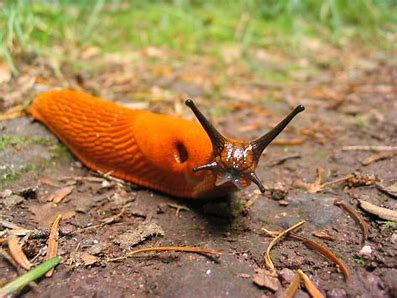
Slugs breathe through a lung-like cavity called a pneumostome, located on the right side of their body.
Sensory Organs:
Slugs possess two pairs of tentacles on their head. The upper pair contains light-sensitive eyespots, while the lower pair is used for touch and smell.
Diet:
Most slugs are herbivores, feeding on a variety of plants, including garden vegetables and flowers. Some species are omnivores, consuming decaying matter and even other invertebrates.
Slugs as Garden Pests
While slugs play a role in the ecosystem by breaking down organic matter, they can become a significant problem for gardeners. Their voracious appetite for tender plants can cause extensive damage.
Signs of Slug Damage
Holes in leaves and flowers
Slime trails on plants and soil
Damaged seedlings
Slug Control Methods
There are several methods to deter or eliminate slugs from your garden:
Physical Barriers:
Create barriers using copper tape, diatomaceous earth, or sharp-edged materials around vulnerable plants.
Handpicking:
Manually remove slugs from your garden, especially during damp weather.
Slug Traps:
Use beer traps, which attract and drown slugs.
Natural Predators:
Encourage birds, toads, and hedgehogs, which prey on slugs.
Organic Pest Control:
Consider using nematodes or commercially available slug pellets containing iron phosphate.
Slugs in the Ecosystem
Despite their reputation as garden pests, slugs play a crucial role in the ecosystem. They contribute to nutrient cycling by breaking down decaying matter, and they serve as a food source for various predators.
Beneficial Aspects of Slugs
Decomposition of organic matter
Food source for wildlife
Indicator species for soil health
Slug Species
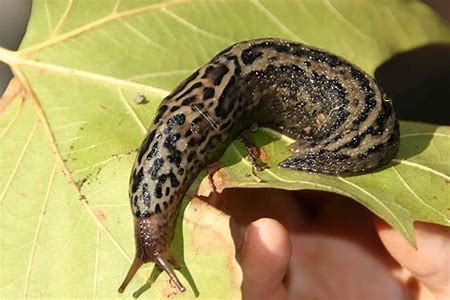
There are numerous slug species worldwide, each with unique characteristics and habitats. Some common species include:
Common garden slug:
A widespread and adaptable species found in many gardens.
Spanish slug:
A larger, more voracious species that can cause significant damage.
Banana slug:
A brightly colored slug found in Pacific Northwest forests, known for its large size.
Fascinating Slug Facts
Some slugs can climb trees and walls using their mucus as an adhesive.
Slugs have an incredible sense of smell, allowing them to locate food from a distance.
Certain slug species are capable of self-amputation to escape predators.
Some slugs are carnivorous, preying on other invertebrates.
By understanding slugs and their role in the ecosystem, gardeners can develop effective management strategies while appreciating the fascinating nature of these creatures.
FAQs
What is a slug?
A slug is a slimy, shell-less mollusk related to snails. They have soft bodies and two pairs of feelers.
Where do slugs live?
Slugs thrive in damp, cool environments, often found in gardens, forests, and under logs or rocks.
What do slugs eat?
Most slugs are herbivores, feeding on plants, but some species are carnivorous.
How do slugs reproduce?
Slugs are hermaphrodites, meaning they have both male and female reproductive organs. They lay clusters of eggs in moist soil.
Are slugs harmful to humans?
While not poisonous, slugs can be considered pests in gardens due to their plant-eating habits.
How do slugs move?
Slugs glide on a mucus trail they secrete, which helps them move smoothly and reduces friction.
Do slugs have eyes?
Yes, slugs have light-sensitive eyespots located at the tips of their upper tentacles.
Why is slug slime important?
Slug slime helps protect their skin from drying out, aids in movement, and leaves a scent trail for other slugs.
How long do slugs live?
The lifespan of a slug varies depending on the species and environmental conditions, but it’s typically less than a year.
Can slugs regenerate body parts?
Like some other invertebrates, slugs can regenerate certain body parts, such as tentacles.
How can I get rid of slugs in my garden?
There are several methods to deter slugs, including beer traps, salt, and diatomaceous earth.
Are there any poisonous slugs?
While there are no known deadly slugs for humans, some species can be toxic to pets.
Can slugs climb walls?
Yes, slugs can climb smooth surfaces using their mucus to create a suction-like effect.
Do slugs hibernate?
Many slug species become less active during colder months but don’t truly hibernate.
What is the largest slug in the world?
The Pacific banana slug is one of the largest slug species, known for its bright yellow color.
Are there any carnivorous slugs?
Yes, some slug species, such as the Testacellidae, are carnivorous and prey on other snails and earthworms.
Can slugs be pets?
While not common, some people keep slugs as pets. They require specific care and attention.
Do slugs have any natural predators?
Slugs are preyed upon by various animals, including birds, toads, hedgehogs, and some insects.
What is the role of slugs in the ecosystem?
Slugs play a role in decomposing organic matter and serve as a food source for other animals.
Why do slugs have slime?
Slug slime helps them move smoothly, protects their bodies from drying out, and leaves a trail to deter predators.
How do slugs breathe?
Slugs breathe through a lung-like cavity called a pneumostome, located on the right side of their body.
Can slugs regenerate body parts?
Like many other invertebrates, slugs can regenerate some parts of their body, such as tentacles.
How can I prevent slugs from damaging my garden?
There are several methods to deter slugs, including creating barriers, using slug pellets, and attracting natural predators like toads and hedgehogs.
Are slug pellets harmful to pets?
Many slug pellets contain chemicals that can be harmful to pets if ingested. It’s essential to choose pet-safe alternatives or keep pets away from treated areas.
What is the lifespan of a slug?
The lifespan of a slug varies depending on the species and environmental conditions, but it is typically less than a year.
Are there any slug-themed festivals or events?
While not as common as other animal-themed events, there are occasional slug-related activities and celebrations in some regions.
To read more click here
