
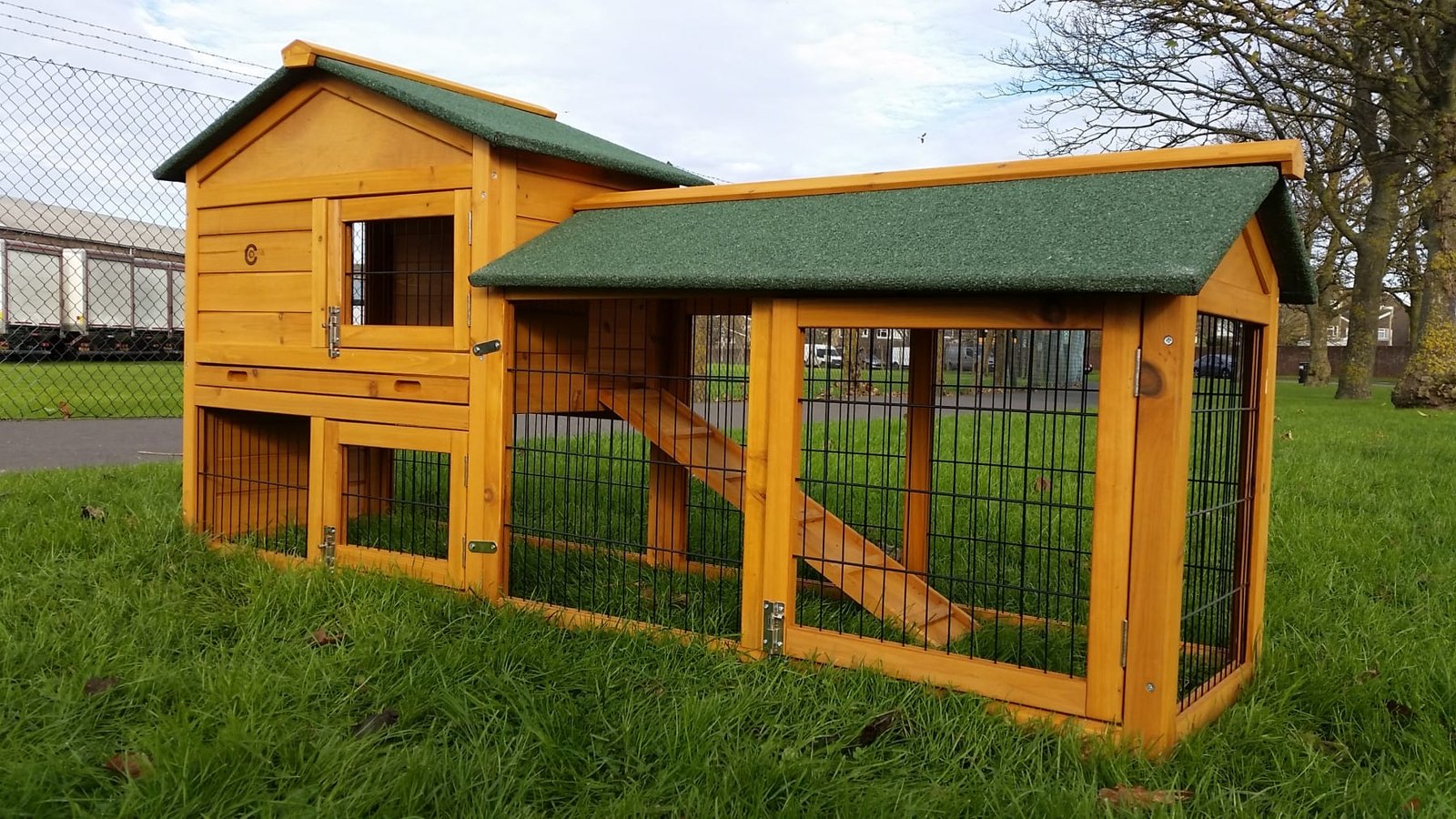
Rabbit hutches play a crucial role in the care of domesticated rabbits. Whether you’re new to rabbit ownership or an experienced pet enthusiast, understanding the significance of a well-designed hutch is essential for your rabbit’s happiness and health. In this detailed guide, we will cover everything you need to know about rabbit hutches, from their purpose and ideal features to maintenance tips and how to create the best environment for your furry companion.

What Is a Rabbit Hutch?
A rabbit hutch is a specially designed enclosure for keeping rabbits, either indoors or outdoors. These structures offer rabbits a secure, comfortable space for living, resting, and exercising. A well-constructed hutch protects rabbits from predators, harsh weather conditions, and environmental hazards while providing enough room for them to move and engage in natural behaviors.
Rabbits are naturally social and active animals. Therefore, a hutch should offer ample space for them to explore and interact. While rabbits can live indoors, outdoor hutches provide the added benefits of fresh air and exposure to natural surroundings, provided they are properly secured and weatherproof.
Why Do Rabbits Need a Hutch?
Rabbits are highly social and energetic creatures, and a well-designed hutch serves several important purposes in their care:
Safety: Hutches protect rabbits from predators like foxes, raccoons, and even stray dogs, particularly when kept outdoors.
Weather Protection: Hutches offer shelter from extreme temperatures—keeping rabbits cool in hot weather and warm in colder climates.
Exercise and Enrichment: A spacious hutch allows rabbits to engage in physical activities, such as hopping, digging, and chewing. Many hutches are designed with playpens or runs, giving rabbits additional space to roam and explore.
Privacy and Rest: Rabbits need a quiet, secluded space for resting and sleeping. A hutch provides that sanctuary, offering them security and relaxation.
Key Features to Look for in a Rabbit Hutch
When selecting or building a rabbit hutch, it’s important to consider several key features that ensure the safety, comfort, and well-being of your pet. Here are some factors to keep in mind:
Size and Space
A common question rabbit owners ask is how much space their rabbit needs. The amount of space required depends on your rabbit’s breed and size. However, as a general guideline:
Minimum Size: The hutch should be at least four times the length of the rabbit when fully stretched out. For an average-sized rabbit, this usually means a hutch that is at least 6 feet long, 2 feet wide, and 2 feet high.
Vertical Space: Rabbits love to jump and climb. Multi-level hutches with ramps or shelves provide additional vertical space, encouraging natural behaviors and enrichment.
Exercise Area: In addition to the hutch, rabbits need room to move and exercise. A playpen or run should offer at least 20 square feet of space for a single rabbit.
Material and Construction
Rabbit hutches can be made from various materials, each with its advantages and drawbacks:
Wood: Wood is a popular and aesthetically pleasing option, offering a natural look and reasonable affordability. However, wood must be treated to prevent moisture damage and chewing. Avoid using untreated wood or cedar, as these can be harmful to rabbits.
Metal: Galvanized steel is durable, resistant to chewing, and easy to clean. However, it can become extremely hot in summer and cold in winter, so proper ventilation and insulation are essential.
Plastic: Lightweight and waterproof, plastic hutches are easy to clean and maintain. However, some types may not be durable enough for outdoor use, and rabbits might chew on plastic.
Ventilation
Proper ventilation is crucial for ensuring your rabbit has access to fresh air and to prevent overheating. Look for hutches with mesh wire panels or vents that allow air to circulate freely. This helps maintain a healthy environment and reduces the risk of respiratory issues.
Security and Safety
Your rabbit’s hutch should be secure enough to keep them safe from predators and escape attempts. Ensure that the wire mesh has small enough holes to prevent rabbits from slipping through or getting caught. Additionally, check that doors and lids are securely fastened and that the hutch has a reliable lock.
Ease of Cleaning
Rabbits are clean animals, and maintaining a hygienic environment is essential for their health. Choose a hutch with removable trays or floors for easy cleaning. Some models feature pull-out drawers that collect waste, making it easier to dispose of it without disturbing your rabbit too much.
Weather Resistance
If your rabbit’s hutch will be outdoors, weather resistance is vital. In cold climates, add extra insulation using hay, straw, or blankets to keep your rabbit warm. In hot climates, ensure the hutch offers adequate shade and ventilation to prevent overheating.
Types of Rabbit Hutches
Rabbit hutches come in various designs to suit different needs. Here are some common types you’ll find on the market:
Indoor Rabbit Hutches
Indoor hutches are typically smaller and designed to fit inside a home. They provide a safe, clean space for your rabbit to live in, allowing them to interact with family members and other pets. These hutches usually feature plastic bases and mesh sides, making them easy to move and clean.
Outdoor Rabbit Hutches
Outdoor hutches are more robust and spacious, designed to withstand outdoor weather conditions. These often come with multiple levels and attached playpens or runs, allowing your rabbit to exercise and explore in a natural environment. Outdoor hutches are typically made from wood or metal and feature wire mesh for ventilation and predator protection.
Rabbit Playpens or Runs
A rabbit playpen or run is a spacious, enclosed area that lets rabbits roam freely in a safe environment outside their hutch. Playpens are particularly important for rabbits that live indoors, as they offer more room for exercise and mental stimulation. They can be used in conjunction with a hutch to create a larger living space.
Multi-Level Hutches
Multi-level hutches provide extra space for rabbits who enjoy climbing and jumping. These designs typically include ramps or ladders that allow rabbits to move between different levels, adding enrichment and variety to their living space.
How to Maintain a Rabbit Hutch
Proper maintenance of your rabbit’s hutch is essential to ensure their health and comfort. Here are some tips to keep the hutch clean and in good condition:
Daily Cleaning
Remove Waste: Clean out droppings, leftover food, and wet bedding every day.
Check Water: Make sure your rabbit’s water bottle or bowl is full and clean.
Spot Clean: Wipe down any soiled surfaces inside the hutch.
Weekly Cleaning
Change Bedding: Replace soiled bedding with fresh hay or straw.
Clean Food Dishes: Wash bowls or dishes thoroughly with soap and water.
Inspect the Hutch: Look for any damage, such as broken wire, rust, or chew marks, and repair as needed.
Seasonal Maintenance
Winter: In colder weather, add extra insulation, such as straw, blankets, or a hutch heater, to keep your rabbit warm.
Summer: Ensure the hutch is well-ventilated to prevent overheating. Consider adding a fan or providing additional shade.
To Conclude
Choosing the right rabbit hutch is an essential part of providing your rabbit with a safe, comfortable, and enriching environment. Whether you opt for a simple indoor cage or a large outdoor hutch with multiple levels, ensure it meets your rabbit’s needs for space, safety, and comfort. A well-designed hutch will help your rabbit thrive, giving them a secure home where they can enjoy their natural behaviors and lead a healthy, happy life.
FAQs:-
Can rabbits live outside in a hutch year-round?
Yes, rabbits can live outside in a hutch year-round, but they need protection from extreme temperatures. During winter, provide additional bedding and insulation, and during summer, ensure there is proper ventilation.
How big should a hutch be for two rabbits?
A hutch for two rabbits should be at least 10 to 12 square feet in size, with additional space for a playpen or run to provide room for exercise.
Can rabbits live in a hutch without a run?
While rabbits can live in a hutch without a run, it is not ideal. Rabbits need plenty of space to exercise, and a run allows them to stay active and mentally stimulated.
What type of bedding is best for a rabbit hutch?
The best bedding for a rabbit hutch is hay, as it is absorbent, safe, and provides nutritional value. Other suitable bedding options include straw, paper-based bedding, or aspen wood shavings. Avoid cedar or pine bedding, as their oils can be harmful to rabbits.
To read more, Click Here
