
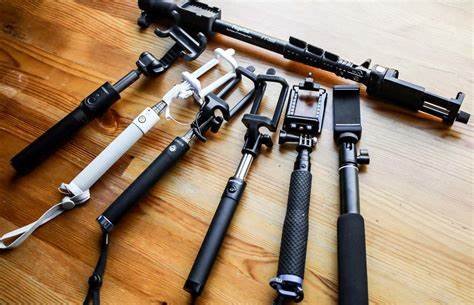
The selfie stick initially met with skepticism, has evolved into an essential gadget for millions of smartphone users, travelers, content creators, and social media enthusiasts worldwide. What began as a quirky accessory has revolutionized the way people take photos and videos, enabling them to capture moments from new perspectives and reach places previously out of reach with just an outstretched arm.

In this article, we’ll explore the history of the selfie stick, how it works, its advantages and limitations, and address some of the most frequently asked questions about this now-ubiquitous tool. Additionally, we’ll discuss how its use has evolved across different communities, from influencers to everyday travelers.
What is a Selfie Stick?
A selfie stick is a handheld extendable rod that allows users to capture photos or videos from a greater distance than would be possible with just their arm. It typically consists of a telescoping pole with a mount at one end to securely hold a smartphone or camera, and a handle at the other end for easy gripping. Some selfie sticks are manually adjustable, while others feature motorized mechanisms for effortless extension. Many modern versions include Bluetooth functionality, enabling users to control their cameras remotely.
Key Features of a Selfie Stick:
Extendable Design: Selfie sticks come in various lengths, from compact models perfect for portability to longer versions that provide a wider shooting range.
Adjustable Mount: The phone holder is adaptable to accommodate a variety of smartphone sizes, ensuring a secure and stable fit during use.
Wireless Control: Many selfie sticks feature Bluetooth remotes that let users take photos or start videos without needing to touch their phones, offering more flexibility.
Compatibility: While most selfie sticks are designed for smartphones, some are compatible with other devices like GoPro cameras and action cams.
The Evolution of the Selfie Stick
Although the selfie stick feels like a recent innovation, its origins date back much earlier than most people realize. The idea of using an extendable pole for photography can be traced to the 1980s.
Early Designs
The first notable selfie stick prototype was created by Japanese inventor Hiroshi Ueda in 1983. Ueda’s design was originally a tool for remote photography, not intended for selfies in the modern sense. It was an extendable rod that allowed photographers to take wider shots or self-portraits from a distance.
However, it wasn’t until the mid-2000s that the selfie stick, as we know it today, began to take shape. With the rise of social media platforms like Facebook, Instagram, and Twitter, which emphasized personal photos and self-image, demand for tools to help capture these images grew rapidly.
The Surge in Popularity
The selfie stick gained widespread popularity in 2014, largely thanks to its adoption by social media influencers, travelers, and tourists. By this time, smartphones had become powerful enough to take high-quality photos, and apps like Instagram, Snapchat, and TikTok made sharing selfies easier than ever.
Initially, selfie sticks faced criticism for their “silly” appearance, but their practicality quickly won over users. By 2014, they had become a cultural phenomenon, seen in everything from viral memes to major events, symbolizing the growing trend of self-expression through photography.
How Does a Selfie Stick Function?
The mechanics behind a selfie stick are simple yet effective:
Telescoping Pole: The user extends the pole to the desired length, which can range from small 12-inch versions to longer 40-inch models. This extension allows for wider shots and better angles, particularly for group photos or selfies in scenic locations.
Phone Holder: A clamp at the end of the stick securely holds the smartphone or camera. The mount is usually adjustable to accommodate different phone sizes.
Bluetooth Remote: Many selfie sticks include a Bluetooth remote that connects wirelessly to the user’s phone, enabling them to take photos or videos without having to touch the device. The remote is operated by the user’s thumb or finger for ease of use.
Charging: Bluetooth-enabled selfie sticks often feature built-in rechargeable batteries. These can be charged via USB, and once fully charged, they typically last for several hours of use.
Benefits of Using a Selfie Stick
New Angles and Wider Perspectives
A selfie stick provides the freedom to take photos from angles that would be difficult or impossible with just an outstretched arm. Whether you’re capturing a group photo, a wide landscape, or just want to fit more people into a selfie, the extended reach makes it easier to capture more of your surroundings.
Enhanced Photo Quality
By holding the camera further from your face, a selfie stick minimizes distortions that often occur when the camera is too close, resulting in more flattering images. This reduces issues like “double chin” effects and awkward angles.
Perfect for Group Photos
For group selfies, a selfie stick makes it possible to fit everyone into the frame, creating better photos with friends and family. It’s especially useful when you’re traveling or visiting landmarks with no one else around to take your picture.
Convenient for Travel and Exploration
For travelers, the selfie stick is a game-changer. It makes it easy to take wide-angle shots with scenic locations in the background, whether you’re hiking in the mountains or sightseeing at famous landmarks.
Stabilization for Video
Selfie sticks are not just for still photos; they are also great for recording videos. Content creators, vloggers, and influencers often use selfie sticks to improve the stability of their footage, especially when on the move or capturing action shots.
The Future of Selfie Sticks
As technology continues to advance, the future of the selfie stick looks promising. Some potential developments include:
Smarter Integration: Future selfie sticks may integrate with augmented reality (AR) or virtual reality (VR) applications, allowing for more immersive and interactive photo and video experiences.
More Compact and Multi-Functional Designs: Expect future models to be more compact and possibly combine other features, like tripod stands or gimbals, for greater versatility.
Enhanced Stability: Advanced models may come with built-in stabilization or motorized gimbals to help content creators capture smoother footage in fast-paced or dynamic environments.
Looking Ahead
Once viewed as a passing trend, the selfie stick has firmly established itself as a vital tool for photographers, travelers, and social media enthusiasts across the globe. With its ability to capture moments from fresh perspectives, improve photo quality, and enhance content creation, it has become an indispensable accessory. Whether you’re a casual traveler, a content creator, or simply someone looking to take better selfies, the selfie stick remains a valuable companion. With ongoing innovations, it’s clear that this versatile gadget is here to stay, helping users preserve their most memorable moments in creative and dynamic ways.
FAQs:-
Are Selfie Sticks Compatible with All Smartphones?
Most modern selfie sticks are universally compatible with a range of smartphones. However, it’s always a good idea to check the product specifications, as some models may require an adapter for larger phones. Bluetooth-enabled sticks generally work with both iPhones and Android devices.
Are There Restrictions on Selfie Stick Usage?
While selfie sticks are generally allowed, there are places where their use may be restricted or banned. Museums, concerts, and some tourist attractions may prohibit them for safety reasons or to prevent disruptions. Always check local regulations before bringing a selfie stick to such venues.
Can You Use a Selfie Stick Without Bluetooth?
Yes, you can use a selfie stick without Bluetooth. Many models are purely manual and come with a physical button that you press to take the photo. These sticks usually connect to the smartphone via a wired jack or USB cable and do not require Bluetooth pairing.
Do I Need a Selfie Stick for Videos?
If you’re creating videos and want to avoid shaky footage, a selfie stick can be incredibly helpful. The added reach and stability make it easier to capture smooth and steady shots, especially for vlogs or action footage.
Can a Selfie Stick Be Used with a GoPro?
Yes, there are selfie sticks specifically designed for action cameras like GoPro. These often include adapters or adjustable mounts that can securely hold smaller devices, making them ideal for extreme sports and adventure filming.
To read more, Click Here
