
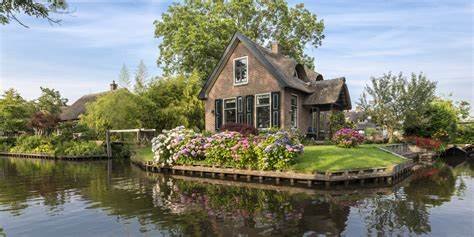
The phrase la maison, which translates to “the house” in French, holds a significance far beyond its simple definition as a physical structure. In the context of French culture, it represents much more—it embodies the essence of family, heritage, and refined living. In this article, we explore the deep connection between la Maison and French architecture, design, and cultural traditions, highlighting how this concept has shaped both past and present lifestyles in France. We will also answer some common questions related to la maison and its influence on global design trends.

The Cultural Importance of “La Maison” in France
In French society, la maison is seen as a sanctuary, a space where one can experience comfort, warmth, and personal identity. It’s not just a dwelling but an extension of individual and familial values. The home is regarded as the heart of French life, a place where family bonds are nurtured and traditions are passed down through generations. It reflects the tastes and aspirations of its inhabitants while also encapsulating the unique cultural heritage of the region.
French literature and cinema often portray la Maison as a symbol of both physical and emotional space. From the grand châteaux of the countryside to the cozy, elegant apartments in Paris, the variety of homes across France tells the story of the nation’s diverse architectural and cultural legacy.
The Architecture of “La Maison” – A Snapshot
Traditional French Homes
France’s architecture is as varied as its landscapes, with different regions boasting unique house styles shaped by local climate, available materials, and historical influences. Here are a few of the most iconic traditional French homes:
La Maison de Campagne – Typically found in rural areas, these charming stone houses often feature thatched or slate roofs and expansive gardens. They evoke a rustic, tranquil lifestyle, especially in regions like Provence and Normandy.
Le Chalet Savoyard – Located in the Alpine region, these wooden homes are built to withstand heavy snowfalls. With steep, sloping roofs and timber structures, chalets exude a cozy, warm atmosphere, making them a perfect retreat in the colder months.
Le Manoir – These grand country houses, often dating back to the 17th or 18th century, combine architectural grandeur with expansive estates. They reflect French nobility and offer a glimpse into the country’s aristocratic past.
L’Hôtel Particulier – In cities like Paris, these luxurious private residences, often nestled in urban neighborhoods, are a hallmark of French urban architecture. These homes emphasize privacy, opulence, and detailed façades that speak to classical elegance.
Contemporary French Homes
In modern France, traditional styles often meet contemporary design principles. The minimalist approach has gained popularity, particularly in cities like Paris, where the focus is on sleek, clean lines, and a harmonious balance of natural materials like wood and stone. Open spaces, sustainable living, and energy-efficient designs are becoming increasingly important, with French homes embracing new technologies and eco-conscious materials.
Open-Plan Living
A defining characteristic of modern French homes is the open-plan layout. By merging the living room, dining area, and kitchen into one expansive space, homes not only foster better interaction but also allow natural light to flow through, creating an airy, relaxed atmosphere. This design concept encourages a lifestyle of socialization and connection, both key elements of the French way of living.
The Rise of Smart Homes
The growing influence of smart technology has led to the integration of devices that enhance both convenience and energy efficiency. From automated lighting systems to advanced security features and climate control, many modern French homes are equipped with smart systems that make daily life more efficient and sustainable.
French Interior Design: The Art of Living
Interior design in France is characterized by timeless elegance, blending the old with the new. French homes reflect a strong sense of aesthetics, with an emphasis on beauty, comfort, and functionality. The concept of la maison extends to interior spaces, where attention to detail and an appreciation for craftsmanship are paramount.
Key Elements of French Interior Design
Antiques and Vintage Pieces: French interiors often feature a mix of antique furniture and vintage items. These pieces add depth, history, and character to the home, creating a sense of warmth and heritage.
Neutral Color Schemes: Soft, muted tones—beige, ivory, gray, and pale pastels—dominate French interior palettes. These colors create a serene environment and allow for easy blending of various furniture and décor styles.
Luxurious Textiles: High-quality fabrics like velvet, linen, and silk are staples in French homes. Whether used for upholstery, curtains, or cushions, these fabrics add texture and richness to living spaces.
Lighting as a Feature: Lighting is considered an essential aspect of French interior design. Elegant chandeliers, sconces, and soft ambient lighting are carefully selected to create an inviting and refined atmosphere.
Art and Decorative Accents: French interiors often showcase collections of art, from classical paintings to contemporary sculptures. Decorative items, such as mirrors, vases, and sculptures, are also thoughtfully arranged to enhance the overall aesthetic.
The Global Influence of “La Maison”
The ideals of la Maison have transcended French borders, inspiring architects and designers worldwide. Elements of French design can be found in homes across the globe, from the classic Parisian apartment in New York to the French Provincial style that dominates suburban America. Whether it’s the charm of a French country home or the elegance of a Parisian flat, the influence of la maison is undeniable.
Parisian Apartments: The high ceilings, large windows, and traditional Haussmannian architecture of Parisian apartments have influenced home design in cities worldwide.
French Provincial Style: The rustic elegance of the French countryside has become popular in suburban homes, particularly in the United States, where it is admired for its warmth, charm, and timeless appeal.
A Closing Perspective
La Maison is much more than just a house in France—it is a cultural cornerstone, a place where history, family, and style converge. Whether through rustic country cottages or modern, minimalist apartments, la Maison continues to reflect the core values of French culture. Its deep connection to the nation’s architectural and design traditions ensures that la Maison remains an enduring symbol of French life, influencing design trends and architectural choices worldwide.
FAQs:-
What defines a “French” style home?
A French-style home embodies a combination of elegance, comfort, and history. Whether it’s a rustic country house or a sophisticated Parisian apartment, features typical of French homes include:
Classical proportions and architectural details (such as crown moldings and arched doorways)
Abundant natural light and airy spaces
A blend of antique and modern furnishings for a lived-in yet stylish atmosphere
A soft, neutral color palette and the use of luxurious textiles
How do French people use their homes for social gatherings?
In France, the home plays a central role in social life. French people take pride in hosting family dinners, intimate gatherings, and soirées. The concept of l’art de vivre, or “the art of living,” is evident in how French homes are designed to foster conversation and togetherness. Kitchens often serve as social hubs, with open spaces designed for cooking and entertaining. Outdoor areas, like terraces or gardens, are also used for hosting gatherings, particularly in warmer months.
What role does “la maison” play in French family life?
Family is deeply ingrained in French culture, and la maison is the space that holds these connections. Homes are designed to facilitate relaxation and bonding, with cozy living areas, intimate dining spaces, and peaceful bedrooms. Many families cherish their homes and even pass them down through generations. La Maison embodies core French values like hospitality, elegance, and tradition.
How are French homes adapting to modern needs?
French homes are evolving with the times, incorporating modern technology, energy-efficient features, and sustainable design practices. For instance, many homes now feature smart home systems that control lighting and temperature, as well as energy-efficient appliances and underfloor heating. There’s also a growing trend of using eco-friendly materials, like solar panels and green roofs, to make homes more sustainable.
To read more, Click Here
