

The allure of learning a language solely through reading is undeniable. Imagine immersing yourself in captivating stories, expanding your vocabulary effortlessly, and gradually mastering the intricacies of grammar without the drudgery of traditional lessons. However, is it truly feasible to achieve fluency without speaking or listening? Let’s delve into the possibilities and challenges of learning a language through reading alone.
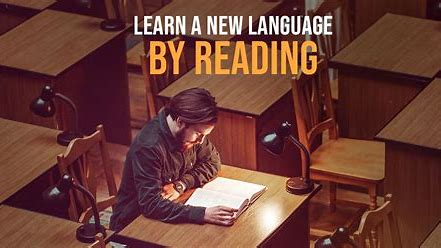
The Power of Reading in Language Learning
Reading is undeniably a cornerstone of language acquisition. It exposes you to authentic language use, expands vocabulary, and enhances grammar comprehension. Here’s how reading contributes to language learning:
Vocabulary Expansion:
Reading introduces you to a vast array of words and phrases in context, aiding vocabulary growth.
Grammar Acquisition:
Exposure to different sentence structures helps internalize grammatical rules naturally.
Cultural Understanding:
Reading provides insights into the target language’s culture, customs, and history.
Improved Reading Comprehension:
Regular reading enhances your ability to understand written texts.
Limitations of Reading-Only Language Learning
While reading is undoubtedly valuable, relying solely on it for language acquisition has significant limitations:
Lack of Pronunciation:
Without auditory input, mastering pronunciation becomes challenging.
Limited Speaking Skills:
Reading alone doesn’t develop the muscle memory required for fluent speech.
Restricted Vocabulary:
Written language often employs formal or complex vocabulary that might not be suitable for everyday conversation.
Missed Cultural Nuances:
Written text lacks the subtle cues conveyed through intonation, body language, and facial expressions.
Can You Achieve Fluency Through Reading?
Achieving full fluency by reading alone is highly improbable. While you can build a strong foundation in vocabulary and grammar, speaking and listening are essential for effective communication. However, reading can be an excellent complement to other learning methods.
Strategies for Effective Language Learning Through Reading
If you’re determined to incorporate reading into your language learning journey, consider these strategies:
Start with Graded Readers:
Begin with simplified texts tailored to your language level to build confidence.
Choose Engaging Material:
Select books, articles, or stories that align with your interests to maintain motivation.
Active Reading:
Engage with the text by highlighting new vocabulary, summarizing passages, and answering comprehension questions.
Combine with Other Methods:
Integrate reading with listening, speaking, and writing exercises for a well-rounded approach.
Recommended Reading Materials for Language Learners
The choice of reading material significantly impacts your language learning progress. Consider these options:

Graded Readers:
These books are specifically designed for language learners, offering simplified texts and vocabulary lists.
Children’s Books:
Often written in simpler language, children’s books can be a valuable resource for beginners.
Newspapers and Magazines:
Expose yourself to current events and authentic language use.
Classic Literature:
Immerse yourself in literary masterpieces to enhance vocabulary and grammar.
Online Articles and Blogs:
Access a vast array of topics and writing styles.
Overcoming Challenges
Learning a language through reading can be challenging. Here are some tips to overcome obstacles:
Use Dictionaries Effectively:
Refer to dictionaries to understand unfamiliar words, but avoid excessive reliance.
Practice Regularly:
Consistent reading is essential for progress.
Join Online Communities:
Connect with other language learners to discuss texts and share insights.
Set Realistic Goals:
Break down your learning into achievable steps and celebrate milestones.
Conclusion
While reading is a powerful tool for language learning, it’s not a standalone solution. To achieve fluency, a well-rounded approach that includes speaking, listening, and writing is essential. By combining reading with other learning methods and adopting effective strategies, you can significantly enhance your language skills.
FAQs
Is it possible to learn a language solely through reading?
While it’s technically possible to gain a certain level of language proficiency through reading alone, it’s generally not the most efficient or effective method. Reading is crucial for vocabulary expansion and grammar comprehension, but it lacks essential components for full language acquisition.
What are the limitations of learning a language through reading only?
Reading doesn’t provide opportunities for practicing speaking, listening, or writing. These skills are vital for fluency and effective communication. Additionally, it can be challenging to grasp pronunciation and intonation without auditory input.
What are the benefits of learning a language through reading?
Reading is an excellent way to expand vocabulary, improve grammar comprehension, and develop a sense of language structure. It can also enhance cultural understanding and provide exposure to different writing styles.
What types of reading materials are best for language learning?
Graded readers, children’s books, and simplified news articles are often recommended for beginners. As your proficiency improves, you can challenge yourself with more complex texts like novels, essays, and academic papers.
How can I combine reading with other language learning methods?
To accelerate your language learning, incorporate listening, speaking, and writing exercises into your routine. This well-rounded approach will enhance your overall proficiency.
What role does listening play in language learning?
Listening helps you develop auditory comprehension, improve pronunciation, and familiarize yourself with natural speech patterns.
How can I practice speaking the language I’m learning?
Find language exchange partners, join conversation groups, or take language classes to practice speaking.
Is it necessary to learn grammar rules before starting to read?
While some basic grammar knowledge can be helpful, it’s not essential to start reading immediately. You can gradually learn grammar through exposure to the language.
How can I deal with unfamiliar vocabulary while reading?
Use dictionaries or online translation tools to look up unknown words. Create flashcards or vocabulary lists to reinforce learning.
What strategies can I use to improve reading comprehension?
Active reading techniques, such as summarizing, questioning, and predicting, can enhance comprehension.
How can I maintain motivation while learning a language through reading?
Set realistic goals, choose reading materials that interest you, and find a language learning community for support.
Is it easier to learn some languages through reading than others?
Languages with rich literary traditions and abundant reading materials may be easier to learn through reading. However, this doesn’t necessarily apply to all learners.
Can reading help with accent reduction?
While reading can improve your understanding of written language, it won’t directly impact your accent. Listening to native speakers is essential for accent reduction.
How can I use reading to improve my writing skills?
Analyze the writing style of different authors, pay attention to grammar and vocabulary usage, and practice writing in the target language regularly.
Is it possible to become fluent in a language through reading alone?
Achieving fluency requires a combination of reading, listening, speaking, and writing. While reading can contribute significantly to language learning, it’s not sufficient on its own.
To read more click here
