
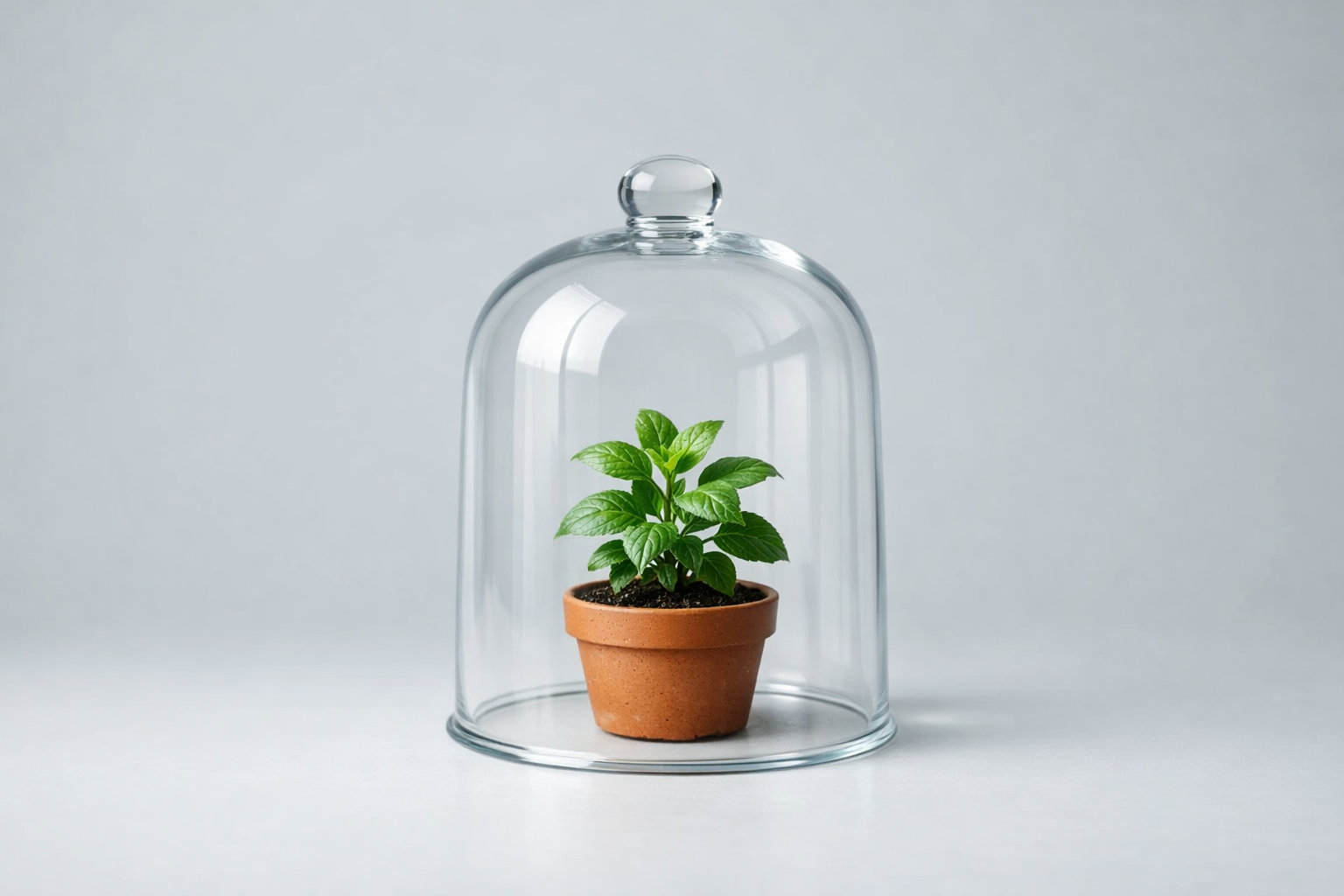
The importance of sustainable gardening has never been more evident as environmental concerns continue to rise. Greenhouses play a pivotal role in supporting these eco-friendly practices by offering unique benefits. From water conservation to energy efficiency, these structures are at the forefront of sustainable innovation.
In recent years, the push for sustainability in gardening has gained significant momentum. As gardeners seek ways to reduce their environmental impact, greenhouse structures have emerged as a valuable tool. These controlled environments offer numerous advantages that align with eco-friendly principles, helping to cultivate a garden that’s both productive and sustainable. Whether through efficient water usage or reducing chemical reliance, the benefits of using a greenhouse are manifold.
Greenhouses contribute to efficient water usage
Water conservation is a critical aspect of sustainable gardening, and greenhouses excel in this area. By creating an enclosed environment, they minimise water loss through evaporation, allowing for more efficient use of resources. Many greenhouses are equipped with rainwater collection systems that capture and store water for irrigation purposes. These systems not only conserve water but also reduce dependency on municipal supplies. Additionally, advanced irrigation techniques like drip systems ensure that plants receive just the right amount of moisture, further conserving this vital resource.
Incorporating such techniques can significantly decrease your water footprint while maintaining plant health. These practices highlight how a greenhouse can be an effective tool for anyone looking to adopt more sustainable gardening habits. By leveraging natural resources and innovative technology, greenhouses set a benchmark in ecological responsibility.
Year-round cultivation reduces imported produce
One of the remarkable advantages of using greenhouses is the ability to extend growing seasons beyond traditional limitations. This capability allows for the cultivation of crops throughout the year, diminishing the need for imported produce and its associated carbon footprint. By providing a stable environment unaffected by seasonal changes, greenhouses enable continuous harvests.
This consistency is particularly beneficial for regions with harsh winters or unpredictable climates, where outdoor gardening would be impossible at certain times. Beyond local benefits, reducing reliance on imports supports global sustainability efforts by lowering transportation emissions. The shift towards locally grown produce facilitated by greenhouses represents a substantial contribution to eco-friendly practices.
Minimising chemical use through controlled environments
The controlled conditions within a greenhouse significantly reduce the need for chemical pesticides and fertilisers. By managing factors like temperature and humidity, greenhouses create an environment less conducive to pests and diseases. This means that organic gardening methods can be more effectively employed within these structures.
The reduction of chemicals not only benefits plant health but also contributes positively to the surrounding ecosystem. Moreover, innovations in greenhouse design often incorporate renewable energy sources to power operations efficiently. These advances align well with the broader goals of sustainable gardening by promoting cleaner and greener practices.
Read More on Birmingham Journal
