

The Troubles, a period of ethno-nationalist conflict in Northern Ireland that spanned roughly three decades from the late 1960s to the late 1990s, left an enduring mark on the region.
This article delves into the complexities of this tumultuous period, exploring its origins, key events, and the lasting impact on the people of Northern Ireland.
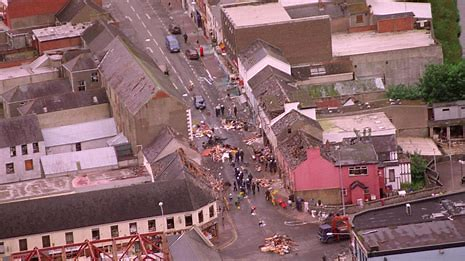
The Roots of Conflict: A Complex History
To understand the Troubles, it’s essential to examine the historical context. Northern Ireland’s position as part of the United Kingdom, while predominantly Protestant, also housed a significant Catholic minority with strong ties to the Republic of Ireland.
Tensions between these two communities simmered for decades, fueled by economic disparities, religious differences, and political divisions.
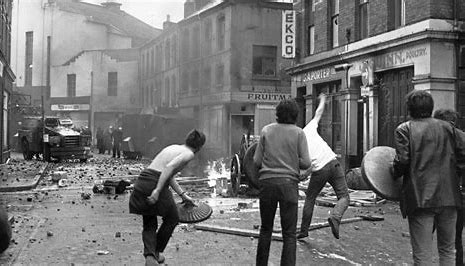
The Civil Rights Movement of the late 1960s, which sought to address discrimination faced by Catholics, ignited the conflict. As protests escalated, so too did violence, with paramilitary groups on both sides becoming increasingly involved.
The Dark Days of Violence
The Troubles were characterized by a cycle of violence, with bombings, shootings, and sectarian attacks becoming commonplace. Paramilitary groups such as the Provisional Irish Republican Army (IRA), the Ulster Volunteer Force (UVF), and the Ulster Defence Association (UDA) were at the heart of the conflict.
Key events during this period included:
Bloody Sunday (1972):
British soldiers fatally shot 13 unarmed civil rights protesters in Derry, sparking widespread outrage and intensifying the conflict.
The Hunger Strikes (1981):
series of hunger strikes by imprisoned IRA members, including Bobby Sands, brought international attention to the conflict and resulted in the deaths of ten prisoners.
The Good Friday Agreement (1998):
This landmark peace agreement established a power-sharing government in Northern Ireland and outlined steps towards reconciliation.
Life Under Siege: The Human Cost
The Troubles inflicted immense suffering on the people of Northern Ireland. Everyday life was disrupted by violence, fear, and uncertainty. Communities were divided, friendships fractured, and families torn apart. The psychological scars of the conflict continue to be felt today.
Children were particularly vulnerable during the Troubles. Schools were often segregated, and young people were drawn into the violence as paramilitary organizations recruited from within their communities.
Building a Peace: Challenges and Hope
The Good Friday Agreement brought an end to the most intense phase of the Troubles, but challenges remain. While violence has significantly decreased, tensions between communities persist. Economic disparities, political divisions, and the legacy of the past continue to pose obstacles to lasting peace.
Efforts to address the legacy of the Troubles include:
The Northern Ireland Troubles (Legacy and Reconciliation) Act:
This controversial legislation, passed in 2023, aims to draw a line under the conflict and provide immunity from prosecution for certain Troubles-related offenses.
Truth Recovery:
Initiatives focused on uncovering the truth about past events and acknowledging the suffering of victims are essential for reconciliation.
Community Building:
Programs aimed at fostering dialogue and cooperation between different communities are vital for building a shared future.
Northern Ireland’s journey towards peace is ongoing. While challenges remain, there is also hope for a brighter future. By understanding the complexities of the past, the region can work towards a more united and prosperous future for all its citizens.
FAQs
What were the “Troubles” in Northern Ireland?
The Troubles was a period of conflict in Northern Ireland from the late 1960s to the late 1990s, primarily between unionists who wanted to remain part of the UK and nationalists who wanted Northern Ireland to be part of the Republic of Ireland.
What were the main causes of the Troubles?
The conflict was rooted in deep-seated historical, political, and religious divisions, including the partition of Ireland in 1921, discrimination against Catholics, and the rise of paramilitary groups.
Who were the main groups involved in the Troubles?
The primary groups involved were loyalist paramilitaries (e.g., Ulster Volunteer Force, Ulster Defence Association), republican paramilitaries (e.g., Irish Republican Army), and the British Army.
How long did the Troubles last?
While tensions have existed for centuries, the most intense period of violence lasted from roughly 1968 to 1998.
What was the impact of the Troubles on Northern Ireland?
The Troubles resulted in over 3,500 deaths, widespread trauma, economic decline, and social division.
What was it like to live in Northern Ireland during the Troubles?
Life was marked by fear, uncertainty, and violence. Everyday activities were disrupted by bombings, shootings, and curfews.
How did the Troubles affect children and young people?
Children grew up in a climate of fear and uncertainty, with many experiencing trauma and loss. Schools and communities were deeply divided.
How did the Troubles impact the economy of Northern Ireland?
The conflict led to economic decline, investment, and job losses.
What role did women play during the Troubles?
Women were often at the forefront of peace activism and community support. However, they also suffered from the violence and its aftermath.
How did the media portray the Troubles?
Media coverage often focused on violence and stereotypes, contributing to misunderstandings and divisions.
What were the key turning points in the peace process?
Significant milestones included ceasefires by paramilitary groups, the Good Friday Agreement, and the decommissioning of weapons.
Who were the key figures in the peace process?
Leaders like John Hume, Gerry Adams, David Trimble, and Tony Blair played crucial roles in negotiating peace.
What challenges remain in Northern Ireland today?
While significant progress has been made, challenges include economic disparities, political tensions, and the legacy of the Troubles.
How has Northern Ireland changed since the end of the Troubles?
The region has experienced economic growth and increased political stability, but healing from the conflict continues.
What is the future of Northern Ireland?
The future depends on continued investment in education, reconciliation, and economic development, as well as maintaining political stability.
How can I learn more about the personal experiences of people who lived through the Troubles?
There are numerous books, documentaries, and oral histories that offer firsthand accounts.
What can I do to promote peace and understanding in Northern Ireland?
Supporting peace-building initiatives, challenging stereotypes, and engaging in respectful dialogue are important steps.
How can I visit Northern Ireland safely?
Northern Ireland is now a safe place to visit, with many attractions and warm hospitality.
What are some memorials or sites related to the Troubles that I can visit?
There are several memorials and museums dedicated to commemorating the conflict and its victims.
How can I contribute to the ongoing process of reconciliation in Northern Ireland?
Learning about the past, engaging in dialogue, and supporting initiatives that promote unity are essential.
To read more click here
