

The 2002 UEFA Cup final (now Europa League) between Rangers of Scotland and Real Betis of Spain offered a unique spectacle.
Two clubs steeped in history, but facing contrasting realities, clashed on the grand stage at the Fetihiye Stadium in Istanbul. This article delves into the stories of both teams, their journeys to the final, and the dramatic events that unfolded on the night of the final.
Rangers: A Fallen Giant Seeking Redemption
Rangers Football Club, one of Scotland’s most successful teams, entered the 2001-02 UEFA Cup campaign with a point to prove.
Financial mismanagement and off-field controversies had tarnished their reputation in recent years. However, under the guidance of experienced manager Walter Smith, they embarked on a European adventure to restore their former glory.
Their path to the final was a testament to their resilience. They overcame challenges from teams like Dynamo Kyiv and PSV Eindhoven, showcasing their fighting spirit and tactical awareness. Players like Lorenzo Amoruso and Michael Mols provided attacking prowess, while seasoned veterans like Barry Ferguson marshalled the midfield.
Real Betis: Andalusian Underdogs on a Surprise Run
Real Betis, a club with a passionate fanbase but lacking the trophy haul of some Spanish giants, entered the competition as underdogs.
Led by the charismatic coach Víctor Fernández, they played an attractive brand of attacking football. Players like Denílson, a Brazilian playmaker, and Juanito Gutiérrez, a prolific goalscorer, were instrumental in their success.
Their journey to the final was nothing short of remarkable. They stunned established European teams like Valencia and Celta Vigo, showcasing their attacking flair and ability to score goals in bunches. Betis fans, known for their unwavering support, dreamt of an unlikely European triumph.
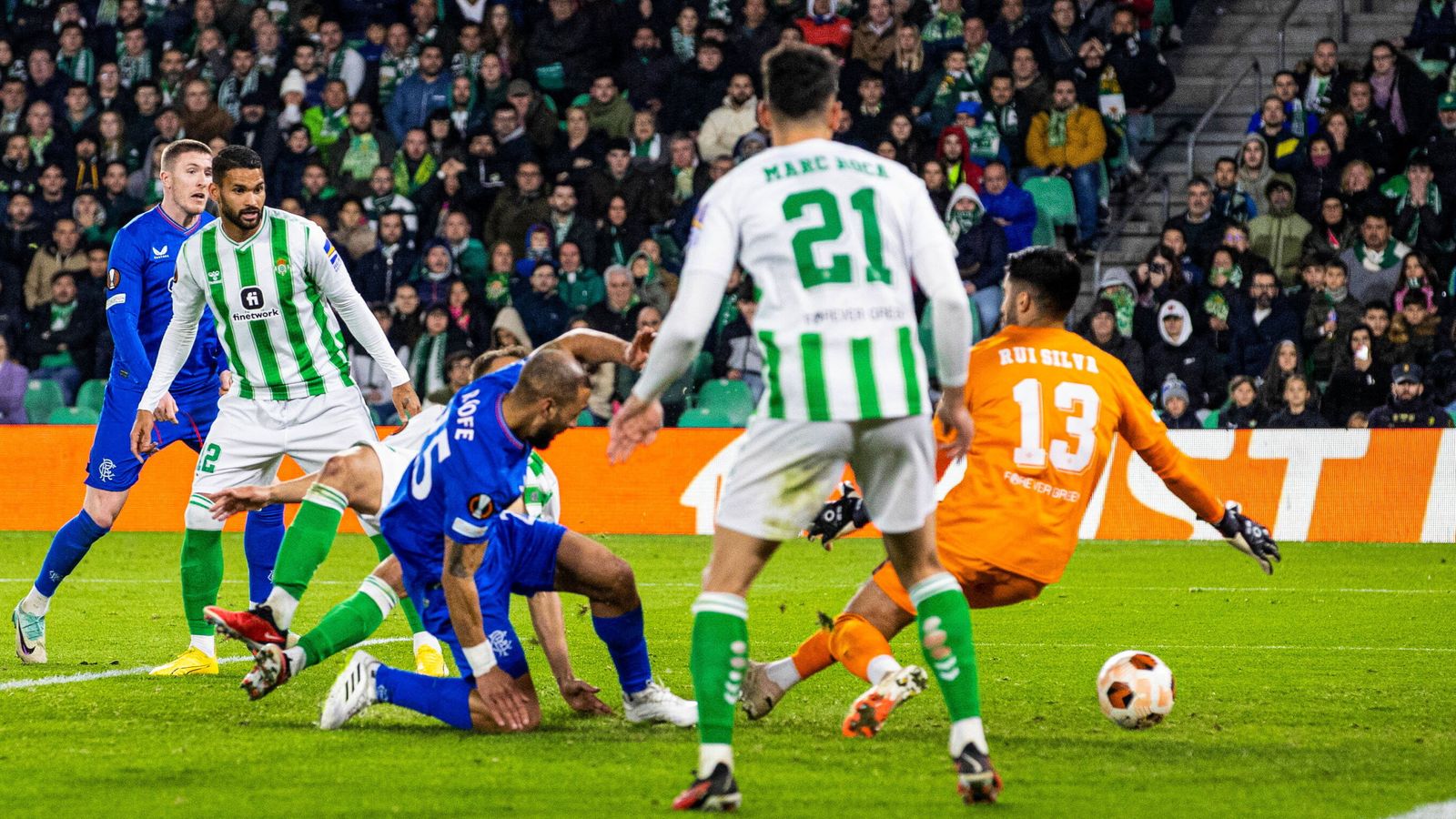
The Final in Istanbul: A Night of Missed Opportunities
The final in Istanbul was a tense and closely contested affair. Both teams displayed attacking intent, but clear-cut chances were scarce. Rangers, known for their defensive solidity, frustrated the Betis attack, while their own offensive efforts lacked the final touch.
The first half ended goalless, reflecting the cautious approach of both teams. Both sides were unable to break the impasse in the second half, which was identical to the first. Extra time offered no resolution, forcing the dreaded penalty shootout.
Penalty Drama and Unexpected Heroes
The penalty shootout proved to be a nerve-wracking affair. Both teams missed early penalties, but Betis faltered under the pressure. Rangers goalkeeper Stefan Klos emerged as the unlikely hero, saving two penalties to secure a dramatic 2-1 victory on penalties.
The Aftermath: Contrasting Fortunes
Rangers’ victory, their first European trophy since 1972, marked a moment of redemption. It provided a much-needed boost to the club’s morale and offered hope for a brighter future. However, financial difficulties continued to plague the club in the following years.
For Real Betis, the defeat was a heartbreaker. Despite their impressive run, they fell short at the final hurdle. The club continued to experience inconsistency in the years that followed, with periods of success interspersed with relegation battles.
Beyond the Scoreboard: A Tale of Two Cities and Two Identities
The 2002 UEFA Cup final transcended the game itself. It represented the clash of two fallen giants, each seeking to reclaim their former glory.
Rangers, with their rich history and passionate fanbase, yearned to return to the European spotlight. Real Betis, known for their attacking football and loyal supporters, dreamt of an unlikely fairytale ending.

Exploring Further: The Stories Behind the Scenes
Walter Smith: Delve deeper into the managerial philosophy of Walter Smith and his role in reviving Rangers’ European fortunes.
Víctor Fernández: Explore the tactical innovations and motivational techniques employed by Betis coach Víctor Fernández during their unexpected run.
The Financial Struggles of Rangers: Analyze the off-field controversies and financial mismanagement that impacted Rangers in the early 2000s.
FAQs
What made the 2002 UEFA Cup final between Rangers and Real Betis unique?
Fallen Giants Clashing: Both teams were historically successful but faced recent struggles, making it a fight for redemption.
Contrasting Styles: Rangers’ defensive solidity met Real Betis’ attacking flair, creating a tactical chess match.
Unexpected Heroes: The penalty shootout saw an unlikely hero emerge in Rangers’ goalkeeper Stefan Klos.
How did Rangers reach the final?
Seeking Redemption: Under manager Walter Smith, they aimed to regain European glory after a period of off-field controversies.
Resilient Journey: They overcame challenges from established teams like Dynamo Kyiv and PSV Eindhoven.
Strong Defense and Attacking Prowess: Players like Lorenzo Amoruso and Michael Mols provided a balanced approach.
How did Real Betis reach the final?
Andalusian Underdogs: They entered as underdogs but played an attractive attacking style under coach Víctor Fernández.
Surprise Run: They stunned Spanish giants like Valencia and Celta Vigo with their attacking flair and goal scoring prowess.
Denílson and Juanito Gutiérrez: Key players like the Brazilian playmaker Denílson and prolific goalscorer Juanito Gutiérrez fueled their success.
What happened in the final?
Tense and Closely Contested: The match was a defensive battle with few clear-cut chances.
Goalless Draw and Penalty Drama: Neither team could score in regular or extra time, leading to a nerve-wracking penalty shootout.
Klos Saves the Day: Rangers goalkeeper Stefan Klos emerged as the hero, saving two penalties to secure a 2-1 victory.
What was the lasting impact of the final?
Rangers’ Redemption: The victory provided a much-needed boost to their morale and offered hope for the future, despite financial struggles.
Heartbreak for Betis: The defeat marked the end of their dream run, and the club continued to experience inconsistency in the years that followed.
Where can I find more information?
Match Reports: Search for detailed reports on websites like UEFA.com or WhoScored.com.
Documentaries: Explore documentaries about the 2002 UEFA Cup or the history of Rangers and Real Betis.
Player Biographies: Read biographies of key figures like Walter Smith (Rangers manager), Víctor Fernández (Betis manager), Lorenzo Amoruso (Rangers striker), Denílson (Betis playmaker), or Juanito Gutiérrez (Betis striker) for deeper insights.
The 2002 UEFA Cup final between Rangers and Real Betis remains a captivating chapter in European football history. It showcased the unpredictable nature of cup competitions, the enduring spirit of fallen giants, and the heartbreak and elation that come with penalty shootouts.
The tale of these two clubs reminds us that football is more than just the game on the pitch; it’s about passion, history, and the pursuit of glory on the biggest stage.
To read more, Click here
