

Vitamin D is a crucial nutrient that plays a significant role in various bodily functions, including bone health, immune system support, and mood regulation.
Deficiency in vitamin D can lead to a range of symptoms and health issues. This article explores 14 signs of vitamin D deficiency, its causes, and treatment options to help you recognize and address potential deficiencies effectively.
Signs and Symptoms of Vitamin D Deficiency
Bone Pain: Vitamin D deficiency can lead to bone pain and muscle weakness, as it affects calcium absorption and bone mineralization.
Fatigue and Weakness: Feeling tired and weak despite adequate rest can be a sign of vitamin D deficiency.
Frequent Infections: A weakened immune system due to vitamin D deficiency may increase susceptibility to infections.
Depression: Low levels of vitamin D have been linked to mood disorders like depression and seasonal affective disorder (SAD).
Hair Loss: Vitamin D plays a role in hair follicle cycling, and deficiency may contribute to hair loss or thinning.

Delayed Wound Healing: Poor vitamin D status can impair the body’s ability to heal wounds effectively.
Bone Loss: Severe vitamin D deficiency can lead to osteoporosis or osteomalacia, conditions characterized by weakened bones and increased fracture risk.
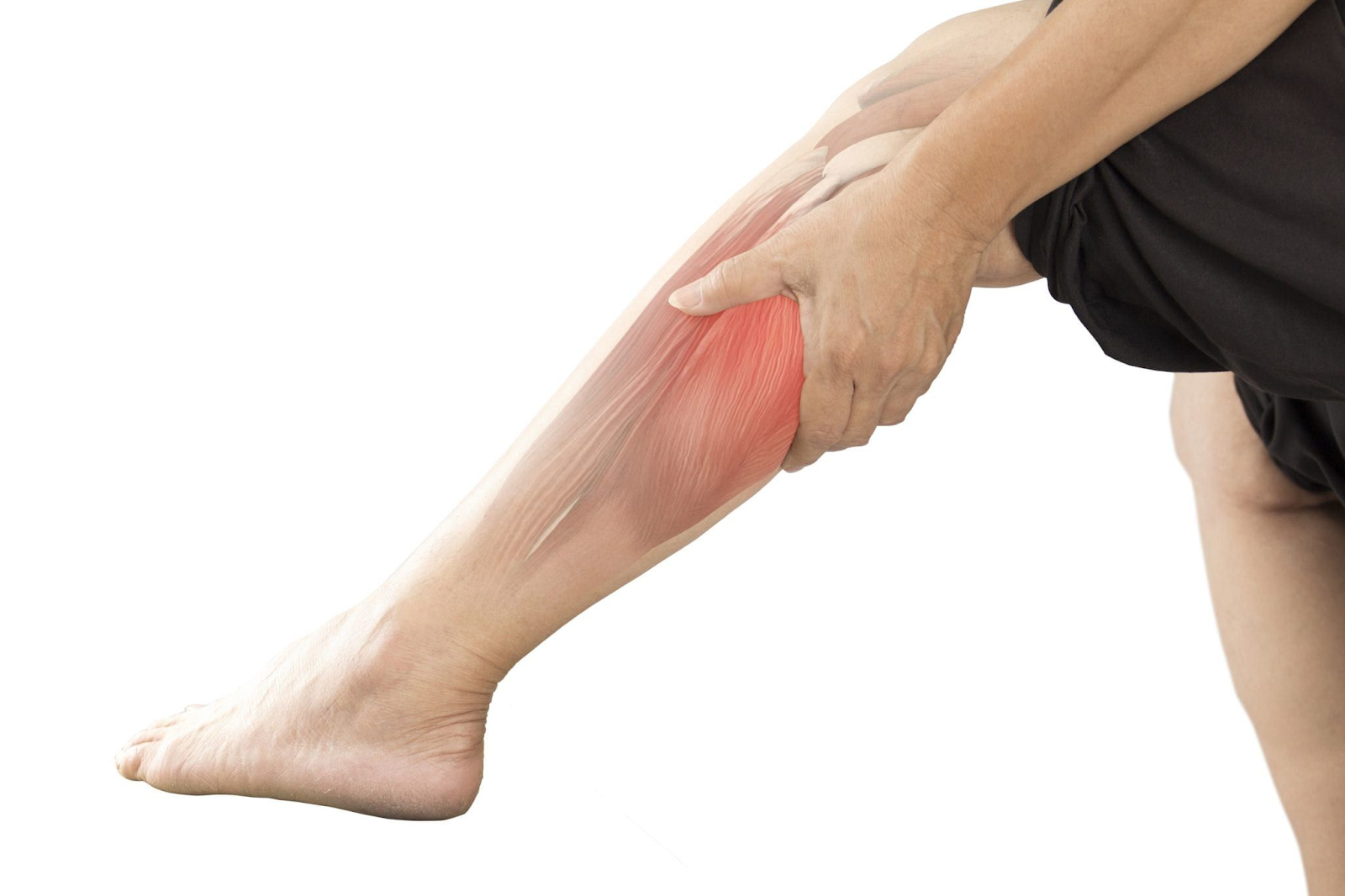
Muscle Pain: Vitamin D deficiency may cause muscle pain or muscle cramps, especially in the legs.
Impaired Wound Healing: Vitamin D is essential for the proper functioning of the immune system, and its deficiency can impair wound healing.
Low Mood: Vitamin D is involved in the production of serotonin, a neurotransmitter that regulates mood. Low levels of vitamin D may contribute to feelings of sadness or depression.
Impaired Cognitive Function: Some studies suggest that vitamin D deficiency may be associated with cognitive decline and an increased risk of developing conditions like Alzheimer’s disease.
High Blood Pressure: Vitamin D deficiency has been linked to an increased risk of hypertension (high blood pressure).
Digestive Issues: Deficiency in vitamin D may contribute to digestive problems such as irritable bowel syndrome (IBS) or inflammatory bowel disease (IBD).
Chronic Pain: Some research indicates that vitamin D deficiency may contribute to chronic pain conditions such as fibromyalgia.
Causes of Vitamin D Deficiency
Several factors can contribute to vitamin D deficiency:
Limited Sun Exposure: Spending little time outdoors, using sunscreen consistently, or living in regions with limited sunlight can reduce vitamin D synthesis in the skin.
Dark Skin: Melanin, the pigment responsible for skin color, reduces the skin’s ability to produce vitamin D in response to sunlight exposure.
Obesity: Vitamin D is fat-soluble and can be sequestered in fat tissues, reducing its bioavailability in individuals with obesity.
Age: Older adults may produce less vitamin D in response to sunlight exposure and may have reduced dietary intake.
Dietary Factors: Consuming a diet low in vitamin D-rich foods such as fatty fish, egg yolks, and fortified dairy products can contribute to deficiency.
Medical Conditions: Conditions affecting fat absorption, such as celiac disease, Crohn’s disease, or gastric bypass surgery, can impair vitamin D absorption.
Treatment and Prevention
Treatment for vitamin D deficiency typically involves increasing vitamin D intake through supplementation and dietary sources. Treatment recommendations may vary depending on the severity of deficiency and individual health factors.
Sunlight Exposure: Aim for regular, safe sun exposure to stimulate vitamin D production in the skin.
Dietary Sources: Include vitamin D-rich foods such as fatty fish (salmon, mackerel), fortified dairy products, egg yolks, and mushrooms.
Supplements: Take vitamin D supplements as recommended by healthcare providers, especially during winter months or in regions with limited sunlight.
Monitoring: Regularly monitor vitamin D levels through blood tests to assess adequacy and adjust supplementation if necessary.
FAQs
What symptoms and indicators indicate a vitamin D deficiency?
Vitamin D deficiency can manifest through a variety of signs and symptoms, which may include:
Bone Pain and Muscle Weakness: Vitamin D is crucial for calcium absorption, and deficiency can lead to bone pain (osteomalacia) and muscle weakness.
Fatigue: Feeling unusually tired or fatigued despite adequate rest can be a symptom of vitamin D deficiency.
Frequent Infections: A weakened immune system due to vitamin D deficiency may increase susceptibility to infections, such as colds and flu.
Depression and Mood Changes: Low levels of vitamin D have been linked to mood disorders like depression and seasonal affective disorder (SAD).
Hair Loss: Vitamin D deficiency may contribute to hair loss or thinning, although other factors can also play a role.
Delayed Wound Healing: Poor vitamin D status can impair the body’s ability to heal wounds effectively.
Bone Loss: Severe deficiency can lead to osteoporosis or osteomalacia, conditions characterized by weakened bones and increased fracture risk.
Muscle Pain: Vitamin D deficiency may cause muscle pain or muscle cramps, particularly in the legs.
Impaired Cognitive Function: Some studies suggest that low vitamin D levels may be associated with cognitive decline and an increased risk of conditions like Alzheimer’s disease.
High Blood Pressure: There is evidence linking vitamin D deficiency with an increased risk of hypertension (high blood pressure).
Digestive Issues: Deficiency in vitamin D may contribute to digestive problems such as irritable bowel syndrome (IBS) or inflammatory bowel disease (IBD).
Chronic Pain: Research indicates that vitamin D deficiency may contribute to chronic pain conditions like fibromyalgia.
Who is at risk of vitamin D deficiency?
The following are some of the variables that can raise the risk of vitamin D deficiency:
Limited Sun Exposure: Spending little time outdoors, using sunscreen consistently, or living in regions with long winters can reduce vitamin D synthesis in the skin.
Dark Skin: Higher levels of melanin in the skin can reduce the skin’s ability to produce vitamin D in response to sunlight.
Age: Older adults may produce less vitamin D in response to sunlight exposure and may have reduced dietary intake.
Obesity: Vitamin D is fat-soluble and can be sequestered in fat tissues, reducing its bioavailability.
Medical Conditions: Conditions affecting fat absorption, such as celiac disease, Crohn’s disease, or gastric bypass surgery, can impair vitamin D absorption.
Dietary Factors: Consuming a diet low in vitamin D-rich foods such as fatty fish, egg yolks, and fortified dairy products can contribute to deficiency.
How is vitamin D deficiency diagnosed?
Vitamin D deficiency is diagnosed through a blood test that measures the level of 25-hydroxyvitamin D (25(OH)D) in the bloodstream. Levels below 20 ng/mL (nanograms per milliliter) are generally considered deficient, while levels between 20-30 ng/mL may indicate insufficiency.
What is the treatment for vitamin D deficiency?
Treatment for vitamin D deficiency typically involves vitamin D supplementation to raise blood levels to optimal ranges. The dosage and duration of supplementation depend on the severity of deficiency and individual health factors.
Vitamin D Deficiency
Recognizing the signs and symptoms of vitamin D deficiency is crucial for maintaining overall health and well-being. If you suspect you may be deficient in vitamin D or experience any of the mentioned symptoms, consult with a healthcare provider for proper evaluation and guidance.
By understanding the causes, symptoms, and management strategies for vitamin D deficiency, individuals can take proactive steps to optimize their vitamin D levels and support their health effectively.
To read more click here
