
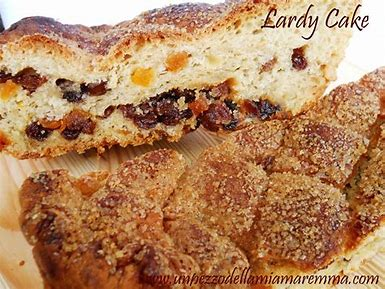
Lardy cake, a traditional British dessert, is famed for its wealthy, buttery taste and wet texture. The addition of lard, a conventional cooking fats, contributes to its particular character. This article will delve into the history, elements, preparation, and versions of lardy cake, inviting you to find out the delights of this undying treat.
A Brief History
The origins of lardy cake may be traced again to the 18th century, when lard became a not unusual family element. Its use in baking became pushed via means of its cap potential to provide a soft and flaky pastry. Lardy cake’s reputation grew throughout the Victorian era, because it have become a staple at afternoon teas and festive gatherings.
Ingredients and Their Roles
The key elements in lardy cake are:
Lard: This animal fat gives a wealthy, buttery taste and contributes to the cake’s moistness.
Flour: All-motive flour is usually used to create the shape of the cake.
Sugar: Granulated sugar provides sweetness and allows to bind the elements.
Eggs: They offer moisture, richness, and resources in leavening.
Milk: This liquid element guarantees a wet and soft cake.
Flavorings: Vanilla extract or almond extract are normally used to beautify the taste.
Preparation
Making lardy cake includes some easy steps:
Creaming the Lard and Sugar: The lard and sugar are overwhelmed collectively till mild and fluffy.
Adding the Eggs: The eggs are step by step introduced to the creamed mixture, making sure of the right incorporation.
Combining Dry Ingredients: The flour and flavorings are sifted and lightly combined into the moist elements.
Adding the Milk: The milk is step by step poured into the batter, making sure of an easy consistency.
Baking: The batter is poured right into a greased and coated cake tin and baked in a preheated oven.
Variations and Adaptations
Lardy cake may be custom designed to fit man or woman options and nutritional needs. Here are a few famous versions:
Fruit Lardy Cake: Dried end result consisting of raisins, currants, or cherries may be introduced to the batter for a burst of taste and texture.
Chocolate Lardy Cake: Cocoa powder may be integrated into the batter to create a wealthy chocolate taste.
Spiced Lardy Cake: Warm spices like cinnamon, ginger, or cloves may be introduced for a festive twist.
Gluten-Free Lardy Cake: Gluten-loose flour may be used to make this cake appropriate for people with celiac sickness or gluten sensitivities.
The Importance of Creaming
The technique of creaming the lard and sugar is critical for developing a mild and ethereal texture. During creaming, air is integrated into the mixture, supporting the cake to upward push and end up fluffy. Proper creaming additionally guarantees that the lard is frivolously dispensed during the batter.
Baking Techniques
While the conventional approach includes baking lardy cake in a loaf pan, there are different alternatives to consider:
Bundt Cake: A bundt pan can create a beautiful, ornamental cake with a completely unique shape.
Mini Loaf Pans: For man or woman servings, mini loaf pans may be used to bake smaller lardy cakes.
Muffin Tins: Lardy cakes batter also can be baked in muffin tins for a handy and transportable treat.
Serving Suggestions
Lardy cakes may be loved in numerous ways:
Plain: Sliced and served with a cup of tea or coffee.
Frosted: Topped with an easy buttercream frosting or a greater intricate glaze.
Topped: Decorated with sparkling berries, whipped cream, or a dusting of powdered sugar.
Warmed: Served heat with a scoop of ice cream or a drizzle of chocolate sauce.
Dietary Considerations
While lardy cakes is historically made with lard, there are options for people who opt for a vegetarian or vegan option:
Vegetable Shortening: This plant-primarily based totally fats may be substituted for lard to create a vegan-pleasant lardy cake.
Butter: Butter may be used as an alternative for lard, even though the taste and texture may also fluctuate slightly.
Tips for Success
Using Room Temperature Ingredients: Ensure that the lard, eggs, and milk are at room temperature for choicest creaming and mixing.
Avoiding Overmixing: Overmixing can bring about a difficult cake. Mix the elements simply till combined.
Cooling Properly: Allow the cake to chill absolutely earlier than frosting or helping save you from crumbling.
Conclusion
Lardy cake is a pleasing and extravagant dessert that has been loved for centuries. Its wealthy taste, wet texture, and flexibility make it a famous desire for unique events and normal treats. By following the stairs mentioned in this article, you could create your very own scrumptious lardy cakes and revel in the magic of this traditional British confection.
FAQs
Can lardy cake be frozen?
Yes, lardy cake may be frozen for up to 3 months. To freeze, wrap the cake tightly in plastic wrap after which in aluminum foil. Let it thaw in a single day withinside the fridge earlier than serving.
Is lardy cake a famous dessert today?
While now no longer as broadly referred to as a few different desserts, lardy cakes nevertheless holds a unique area in British culinary traditions and is loved by means of many that respect its wealthy taste and traditional appeal.
What is the beginning of lardy cake?
The actual beginning of lardy cakes is unclear, however it’s believed to have advanced in Britain throughout the 18th or nineteenth century. Lard became a not unusual family element at the time, and its use in baking became probably encouraged via means of the want to create a wealthy and wet cake.
Is lardy cake just like different cakes?
While lardy cake shares a few similarities with different cakes, consisting of flour, sugar, and eggs, its particular function is the inclusion of lard, which offers it an awesome taste and texture.
Can a lardy cake be made in an extraordinary shape?
Yes, lardy cake may be made in extraordinary shapes, consisting of a bundt cake or in man or woman muffin tins.
To read more, click here
