
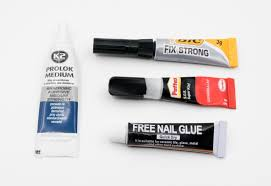
Tile adhesive is an essential aspect withinside the international of creation and domestic improvement, making sure that tiles are securely constant to surfaces. Whether you’re tiling a bathroom, kitchen, or every other space, expertise the kinds, uses, and alertness of tile adhesives could make a giant distinction withinside the sturdiness and look of your tiled surfaces.
What is Tile Adhesive?
Tile adhesive, regularly called thin-set mortar or tile mortar, is a cement-primarily based totally cloth used to bond tiles to numerous surfaces, inclusive of floors, walls, and ceilings. Its number one reason is to create a sturdy, long lasting connection among the tile and substrate, stopping motion and making sure longevity. Tile adhesives are formulated to deal with specific forms of tiles, substrates, and environmental conditions.
Types of Tile Adhesives
1. Cement-Based Adhesives
Cement-primarily based totally adhesives are the maximum not unusual place kind used for tiling projects. They are flexible and may be used with numerous tile materials, inclusive of ceramic, porcelain, and herbal stone. Cement-primarily based totally adhesives are available predominant forms:
Thin-set Mortar: This is a dry blend that calls for the addition of water earlier than application. Thin-set mortar is good for maximum indoor and out of doors applications.
Thick-mattress Mortar: This is used for thicker tile installations and may be implemented to choppy surfaces.
2. Mastic Adhesives
Mastic adhesives are pre-blended, ready-to-use adhesives that offer a sturdy bond for tile installations, mainly in dry regions. They are smooth to paintings with and are appropriate for ceramic and a few porcelain tiles. However, they’re now no longer endorsed for moist regions, which include showers or pools, because of their decreased resistance to moisture.
3. Epoxy Adhesives
Epoxy adhesives are high-overall performance adhesives that provide first-rate bonding electricity and chemical resistance. They are appropriate to be used in moist regions and are regularly used in business applications. Epoxy adhesives may be extra luxurious than different kinds however offer advanced sturdiness.
4. Modified Thin-set Mortars
Modified thin-set mortars include polymers that decorate their overall performance. These adhesives provide stepped forward adhesion, flexibility, and water resistance, making them appropriate for loads of applications, inclusive of large-layout tiles and outside installations.
Choosing the Right Tile Adhesive
When deciding on a tile adhesive, numerous elements need to be considered:
Type of Tile: Different tiles require specific adhesives. Porcelain and herbal stone tiles can also additionally require specialised adhesives for optimum bonding.
Substrate Material: The floor to which tiles might be implemented (e.g., concrete, drywall, cement board) affects the selection of adhesive.
Location: Areas uncovered to moisture, which include toilets and kitchens, necessitate water resistant adhesives.
Tile Size: Larger tiles can also additionally require changed thin-set mortars to save you cracking and make certain stability.
How to Apply Tile Adhesive
Applying tile adhesive calls for cautious training and method to attain the exceptional results. Here’s a step-through-step guide:
Step 1: Prepare the Surface
Ensure the floor is easy, dry, and freed from debris. If necessary, restore any cracks or choppy spots earlier than making use of the adhesive.
Step 2: Mix the Adhesive
For cement-primarily based totally adhesives, observe the manufacturer’s commands to combine the adhesive with water. If the use of mastic, it is prepared to apply properly out of the container.
Step 3: Apply the Adhesive
Using a notched trowel, unfold the adhesive at the floor in small sections. The length of the trowel’s notch will depend upon the dimensions of the tile. Hold the trowel at a 45-diploma perspective for even application.
Step 4: Lay the Tiles
Press the tiles into the adhesive firmly, twisting barely to make certain an excellent bond. Leave suitable spacers among the tiles for grout application.
Step 5: Allow to Set
Allow the adhesive to treatment as according to the manufacturer’s commands earlier than grouting or exposing the tiles to moisture. Curing time can range primarily based totally on the kind of adhesive used.
Common Mistakes to Avoid
When running with tile adhesives, sure errors can compromise the great of the set up. Here are some not unusual place pitfalls to avoid:
Skipping Surface Preparation: Failing to easily or restore the substrate can result in bad adhesion.
Using the Wrong Adhesive: Not all adhesives are appropriate for each kind of tile or location. Always take a look at compatibility.
Over-making use of Adhesive: Using an excessive amount of adhesive can motive tiles to shift or end up choppy.
Neglecting Curing Time: Rushing the manner through grouting too quickly can weaken the bond.
FAQs
What is the distinction among mastic and thin-set mortar?
Mastic is a pre-blended adhesive that is straightforward to apply and best for dry regions, even as thin-set mortar is a dry blend that calls for water, making it appropriate for numerous applications, inclusive of moist regions.
Can I use tile adhesive on plywood?
Using tile adhesive immediately on plywood isn’t endorsed. Instead, it’s recommended to put in a cement backer board or different appropriate substrate to make a certain sturdy bond.
How lengthy does tile adhesive take to set?
The putting time for tile adhesive varies through kind. Thin-set mortar usually takes 24-forty eight hours to treatment, even as mastic can set extra quickly. Always talk to the manufacturer’s commands for particular curing times.
Can I use leftover tile adhesive?
It isn’t recommended to reuse leftover tile adhesive, as it could lose its bonding houses as soon as it has begun to set. Always blend simplest what you want to your project.
How do I easily tile adhesive from gear and surfaces?
Wet tile adhesive may be wiped clean off gear and surfaces with water. Once it dries, it will become a great deal tougher to remove, requiring scrapers or solvents relying on the adhesive kind.
Final Thoughts
Tile adhesive performs a vital function in reaching a long lasting and aesthetically alluring tile set up. Understanding the forms of adhesives, their applications, and exceptional practices for set up can make certain a hit tiling project. Whether you’re a DIY fanatic or an expert contractor, deciding on the proper adhesive and making use of it effectively can result in lovely and lengthy-lasting results. If you’ve got extra questions or particular needs, consulting with specialists or product producers can offer extra steerage tailor-made on your project.
To read more, click here
