
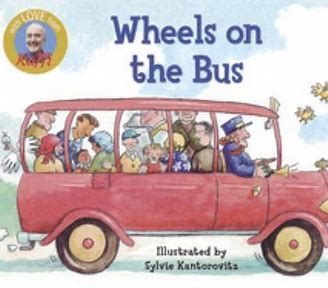
The iconic kid’s track, “Wheels at the Bus,” has been a staple in early early life schooling and amusement for generations. With its easy lyrics and catchy tune, it is a loved track that captures the creativity of younger kids and allows them to study one of a kind frame elements, actions, and transportation.
In this article, we will delve into the origins, lyrics, and diverse interpretations of this undying track, exploring its importance in early early life improvement and its cultural effect.
Origins and Lyrics
The precise starting place of “Wheels at the Bus” is incredibly unclear, however it’s miles believed to have emerged withinside the United States someday withinside the mid-twentieth century. The track’s easy shape and repetitive lyrics make it smooth for kids to examine and sing alongside. The authentic model of the track normally consists of the subsequent verses:
Wheels at the bus pass spherical and spherical.
Horn blows beep beep beep.
** wipers pass graceful graceful graceful.**
Baby cries wah wah wah.
Driver says prevent prevent prevent.
Over the years, endless versions of the track had been created, incorporating one of a kind frame elements, actions, and objects. Some famous versions consist of:
Eyes at the bus pass searching around.
Nose is going sniff sniff sniff.
Mouth is going mmm mmm mmm.
Feet pass stomp stomp stomp.
Hands pass clap clap clap.
Early Childhood Development
“Wheels at the Bus” is extra than only a catchy track; it additionally serves as a treasured academic device for younger kids. By making a song alongside the track, kids can increase essential language skills, which includes vocabulary, pronunciation, and listening comprehension. Additionally, the track can assist kids study one of a kind frame elements, actions, and transportation.
The repetitive nature of the track additionally allows kids to increase cognitive skills, inclusive of reminiscence and attention. As kids sing alongside, they may be actively engaged withinside the studying process, that could decorate their universal cognitive improvement. Furthermore, the track’s joyful and upbeat tone can assist to create a nice and stimulating studying environment for younger kids.
Variations and Adaptations
Over the years, endless versions of “Wheels at the Bus” had been created, incorporating one of a kind frame elements, actions, and objects. Some famous versions consist of:
Animals: “Cows at the bus pass moo moo moo.”
Objects: “Books at the bus pass turn turn turn.”
Transportation: “Aeroplanes withinside the sky are going zoom zoom zoom.”
These versions permit kids to discover one of a kind subjects and increase their vocabulary. They additionally inspire creativity and creativeness, as kids can create their personal specific variations of the track.
The Song’s Educational Value
In addition to its amusement value, “Wheels at the Bus” has massive academic blessings for younger kids. The track can assist kids to:
Develop language skills: By making a song alongside the track, kids can examine new words, enhance their pronunciation, and increase their listening comprehension.
Learn approximately frame elements: The track introduces kids to diverse frame elements and allows them to apprehend their functions.
Explore one of a kind actions: Children can study one of a kind actions, inclusive of turning, blowing, and clapping, through the track’s lyrics.
Understand transportation: The authentic model of the track specializes in buses, however versions can introduce kids to different kinds of transportation, inclusive of aeroplanes, trains, and boats.
Cultural Impact
“Wheels at the Bus” has had a massive cultural effect, transcending language and geographical boundaries. The track has been translated into several languages and has been tailored to match one of a kind cultural contexts. In a few cultures, the track has been changed to consist of references to nearby transportation, animals, or traditions.
The track’s reputation has additionally brought about the advent of diverse academic substances, which includes books, toys, and games. These substances can assist kids to enhance their information of the track’s principles and discover associated subjects. Additionally, the track has been integrated into many early early life schooling applications and activities, making it an acquainted and loved part of early life.
Conclusion
“Wheels at the Bus” is an undying track that manages to seize the hearts and minds of kids across the world. With its easy lyrics, catchy tune, and academic value, it’s miles a treasured aid for early early life improvement. By exploring the origins, lyrics, and cultural effect of this iconic track, we will benefit a deeper appreciation for its importance withinside the lives of younger kids.
FAQs
Has “Wheels at the Bus” been translated into different languages?
Yes, “Wheels at the Bus” has been translated into several languages and has been tailored to match one of a kind cultural contexts.
How has the track been tailored to one of a kind cultures?
In a few cultures, the track has been changed to consist of references to nearby transportation, animals, or traditions. For example, in a rustic style in which camels are common, the track is probably tailored to consist of a verse about camels at the bus.
What is the longest model of “Wheels at the Bus”?
There isn’t any reputable file for the longest model of “Wheels at the Bus,” however a few human beings have created extraordinarily lengthy variations that consist of dozens of verses.
Has “Wheels at the Bus” been featured in famous culture?
Yes, “Wheels at the Bus” has been featured in diverse TV shows, movies, and video games. It is a famous preference for kid’s amusement and academic programming.
Can “Wheels at the Bus” be used for coaching different subjects?
Yes, “Wheels at the Bus” may be tailored to educate different subjects, inclusive of math, science, or social studies. For example, you can create versions that target counting, animals, or one of a kind countries.
What is the pace of “Wheels at the Bus”?
The pace of “Wheels at the Bus” is normally moderate, permitting kids to sing alongside easily.
To read more, click here
